

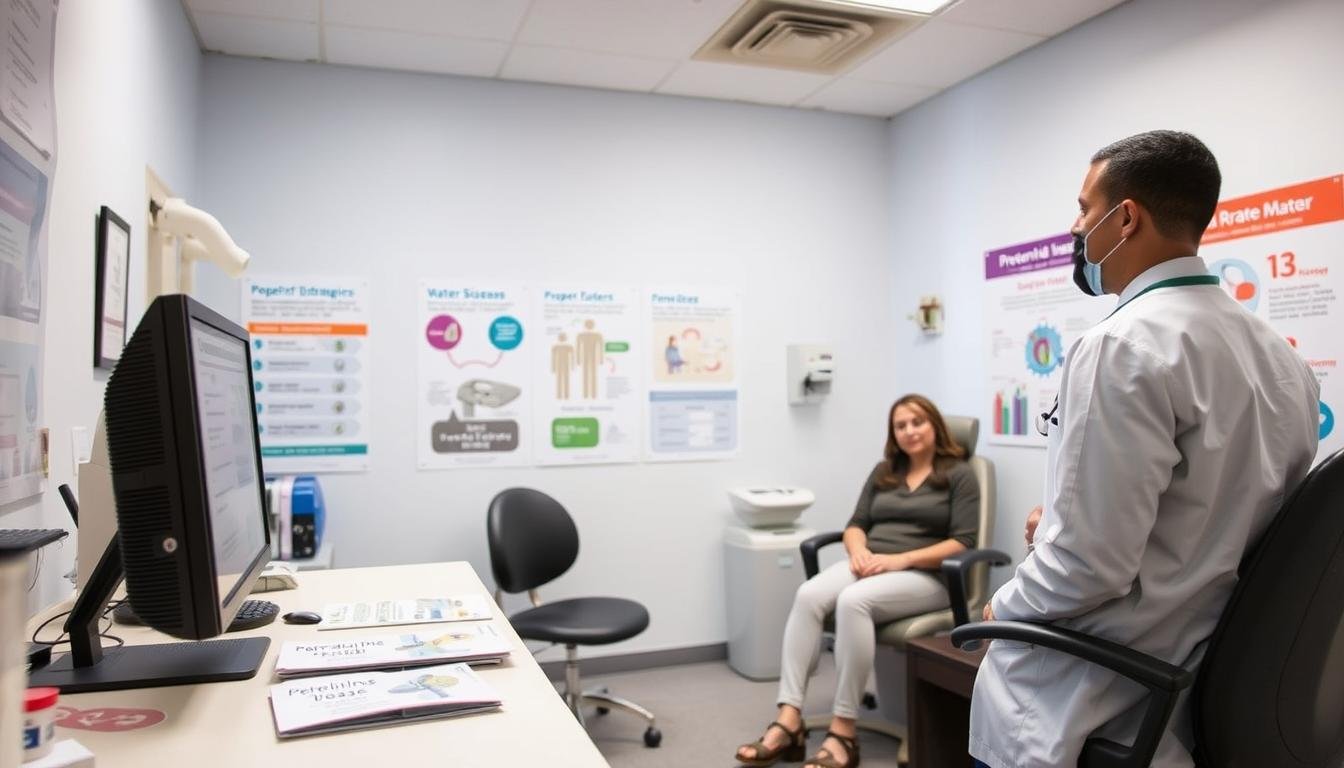
Legionnaires’ disease is a serious health concern that can lead to severe respiratory illness. Understanding the risks and taking preventive measures is crucial to protecting yourself and your loved ones.
The Legionella bacteria, which cause Legionnaires’ disease, are typically found in water systems. When contaminated water is aerosolized, people can inhale the bacteria, leading to infection. Recognizing the symptoms of Legionnaires’ disease, such as fever, cough, and shortness of breath, is vital for early diagnosis and treatment.
Prevention is key to avoiding Legionnaires’ disease. By understanding how the disease is transmitted and taking steps to minimize exposure, individuals can significantly reduce their risk of infection.
Key Takeaways
- Understand the risks associated with Legionnaires’ disease.
- Recognize the symptoms for early diagnosis.
- Learn preventive measures to minimize exposure.
- Know how Legionella bacteria are transmitted.
- Take steps to protect yourself and your loved ones.
Understanding Legionnaires’ Disease
Understanding Legionnaires’ disease is crucial for preventing and treating this potentially life-threatening condition. Legionnaires’ disease is a severe form of pneumonia caused by the Legionella bacteria. It’s essential to grasp the basics of this disease to appreciate the risks and the measures in place to protect public health.
Definition and History
Legionnaires’ disease is named after the first documented outbreak in 1976 at an American Legion convention in Philadelphia. This outbreak was significant not only because of the number of people affected but also because it led to the identification of the Legionella bacteria as the causative agent. The disease can cause severe pneumonia, often referred to as Legionnaires’ disease, and a mild flu-like illness known as Pontiac fever.
Prevalence in the United States
Legionnaires’ disease is a significant public health concern in the United States. According to the Centers for Disease Control and Prevention (CDC), the number of reported cases has been increasing over the years. In 2020, there were over 10,000 reported cases, highlighting the ongoing risk of this disease. The prevalence varies by region, with certain areas experiencing more frequent outbreaks due to environmental factors.
The Bacteria Behind the Disease: Legionella
Understanding the Legionella bacteria is crucial in comprehending the nature of Legionnaires’ disease. Legionella bacteria are a type of germ that can cause severe respiratory illness. These bacteria are typically found in water systems and can become a health risk when they contaminate water supplies.
What is Legionella Pneumophila?
Legionella pneumophila is a specific type of Legionella bacteria responsible for the majority of Legionnaires’ disease cases. It is a Gram-negative bacterium that thrives in warm water environments. Legionella pneumophila can infect people when they inhale aerosolized water containing the bacteria. This bacterium is known for causing outbreaks of Legionnaires’ disease, particularly in buildings with complex water systems.
How Legionella Spreads
Legionella bacteria spread through aerosolized water, which can be generated by various water systems, including cooling towers, air conditioning units, and decorative fountains. When people inhale mist or vapor contaminated with Legionella, they can become infected. The bacteria can also spread through poorly maintained water systems, where the water is not regularly tested or treated. Regular maintenance and proper water management are crucial in preventing the spread of Legionella.
Common Sources of Legionella Bacteria
Identifying the common sources of Legionella bacteria is key to reducing the risk of Legionnaires’ disease. Legionella bacteria are found in water systems and can proliferate in various environments, making it crucial to understand where they thrive.
Water Systems in Buildings
Water systems in buildings are a significant source of Legionella bacteria. Stagnant water and poor maintenance can lead to the proliferation of these bacteria. Buildings with complex water systems, such as hotels, hospitals, and large office buildings, are particularly at risk. Regular flushing and maintenance of the water system can help mitigate this risk.
Cooling Towers and Air Conditioning Units
Cooling towers and air conditioning units are also common sources of Legionella. These systems can create aerosols that, when contaminated with Legionella, can spread the bacteria. Proper maintenance, including regular cleaning and disinfection, is essential to prevent Legionella growth. According to the CDC, “Cooling towers and evaporative condensers have been associated with outbreaks of Legionnaires’ disease.”
“Cooling towers and evaporative condensers have been associated with outbreaks of Legionnaires’ disease.”
Hot Tubs, Spas, and Decorative Fountains
Hot tubs, spas, and decorative fountains are other potential sources of Legionella bacteria. The warm, moist environment of these water features creates an ideal breeding ground for Legionella. Ensuring that these systems are properly maintained, with regular cleaning and disinfection, can reduce the risk of Legionnaires’ disease.
Recognizing the Symptoms of Legionnaires’ Disease
Recognizing the early warning signs of Legionnaires’ disease can significantly improve treatment outcomes. Legionnaires’ disease is a severe form of pneumonia caused by the Legionella bacteria. The symptoms can range from mild to severe and often resemble those of other respiratory illnesses, making diagnosis challenging.
Early Warning Signs
The early symptoms of Legionnaires’ disease can include high fever, chills, and a persistent cough. Some individuals may also experience headaches, muscle pain, and fatigue. These symptoms can develop within 2 to 10 days after exposure to the bacteria.
- High fever
- Chills
- Persistent cough
- Headaches
- Muscle pain
- Fatigue
Severe Symptoms
As the disease progresses, symptoms can become more severe, including shortness of breath, chest pain, and confusion. In severe cases, Legionnaires’ disease can lead to respiratory failure, requiring mechanical ventilation.
| Symptom | Description |
|---|---|
| Shortness of breath | Difficulty breathing or feeling winded even when sitting still |
| Chest pain | Pain or discomfort in the chest that worsens with deep breathing or coughing |
| Confusion | Altered mental state, including disorientation and decreased consciousness |
Differentiating from Other Respiratory Illnesses
Legionnaires’ disease can be difficult to distinguish from other types of pneumonia or respiratory infections. However, the presence of gastrointestinal symptoms like diarrhea and nausea, along with respiratory symptoms, can be indicative of Legionnaires’ disease. A thorough medical evaluation, including laboratory tests, is essential for an accurate diagnosis.
“The key to diagnosing Legionnaires’ disease lies in a high index of suspicion, particularly in patients with pneumonia who have not responded to typical antibiotic therapy.”
Who is at Risk? Identifying Vulnerable Populations
Understanding who is most susceptible to Legionnaires’ disease is crucial for prevention and early treatment. While anyone can contract the disease, certain factors increase the risk for specific populations.
Age and Health Factors
Age and underlying health conditions play a significant role in determining vulnerability to Legionnaires’ disease. Older adults, especially those over 50, and individuals with weakened immune systems are at higher risk. People with chronic health conditions, such as diabetes, lung disease, or cancer, are also more susceptible.
Lifestyle and Environmental Risk Factors
Lifestyle and environmental factors can also increase the risk of contracting Legionnaires’ disease. Smoking is a significant risk factor, as it damages the lungs and makes them more vulnerable to infection. Additionally, exposure to contaminated water systems, such as those found in hotels, hospitals, and public buildings, can increase the risk.
| Risk Factor | Description |
|---|---|
| Age | Being over 50 years old |
| Health Conditions | Having chronic diseases like diabetes, lung disease, or cancer |
| Lifestyle | Smoking or exposure to contaminated water systems |
Diagnosis and Medical Testing
The diagnosis of Legionnaires’ disease is based on a combination of clinical presentation and diagnostic testing. If Legionnaires’ disease is suspected, it’s crucial to seek medical attention promptly.
When to See a Doctor
If you’ve been exposed to a potential source of Legionella and are experiencing symptoms such as fever, cough, or shortness of breath, you should seek medical attention immediately. Early diagnosis is critical for effective treatment.
Certain individuals, such as those over 50 years old, smokers, or people with weakened immune systems, are at higher risk and should be particularly vigilant.
Common Diagnostic Procedures
Diagnosing Legionnaires’ disease involves several tests, including:
- Urinary antigen test: A rapid test that detects Legionella antigen in urine.
- Blood cultures: To identify the presence of Legionella bacteria in the blood.
- Sputum culture: To isolate Legionella from respiratory secretions.
- Chest X-ray: To assess the extent of lung involvement.
The results of these tests help healthcare providers confirm the diagnosis and initiate appropriate treatment.
| Diagnostic Test | Purpose | Turnaround Time |
|---|---|---|
| Urinary Antigen Test | Detects Legionella antigen | Same day |
| Blood Culture | Identifies Legionella bacteria | 3-5 days |
| Sputum Culture | Isolates Legionella from respiratory secretions | 3-5 days |

Treatment Options for Legionnaires’ Disease
Understanding the treatment options for Legionnaires’ disease is crucial for managing the disease effectively. Legionnaires’ disease is a severe form of pneumonia that requires prompt and appropriate treatment to prevent serious complications.
The primary treatment for Legionnaires’ disease involves the use of antibiotics. Antibiotic therapy is critical in managing the disease and preventing further complications.
Antibiotic Therapies
Antibiotics are the cornerstone of treatment for Legionnaires’ disease. The preferred antibiotics include:
- Azithromycin
- Levofloxacin
- Other fluoroquinolones
These antibiotics are effective against Legionella pneumophila, the bacteria responsible for the disease. In some cases, a combination of antibiotics may be used to ensure comprehensive coverage.
| Antibiotic | Dosage | Duration |
|---|---|---|
| Azithromycin | 500 mg IV/PO daily | 5-10 days |
| Levofloxacin | 500 mg IV/PO daily | 5-10 days |
Supportive Care and Recovery
In addition to antibiotic therapy, supportive care plays a vital role in the recovery process. This includes:
- Oxygen therapy to manage respiratory distress
- Fluid management to prevent dehydration
- Nutritional support to aid in recovery
Recovery from Legionnaires’ disease can be a prolonged process. Patients may experience fatigue and other lingering symptoms, but with appropriate treatment and supportive care, most individuals can recover fully.
I Need to Write1000 Word About Legionnaires Disease with Photos and How to Protect Yourself
Understanding how to safeguard against Legionnaires’ disease is crucial for your health. This disease, caused by Legionella bacteria, can be severe and potentially life-threatening. However, with the right precautions and knowledge, you can significantly reduce your risk of contracting it.
Visual Guide to Prevention
Prevention starts with understanding where Legionella bacteria are likely to be found. Common sources include water systems in buildings, cooling towers, and hot tubs.
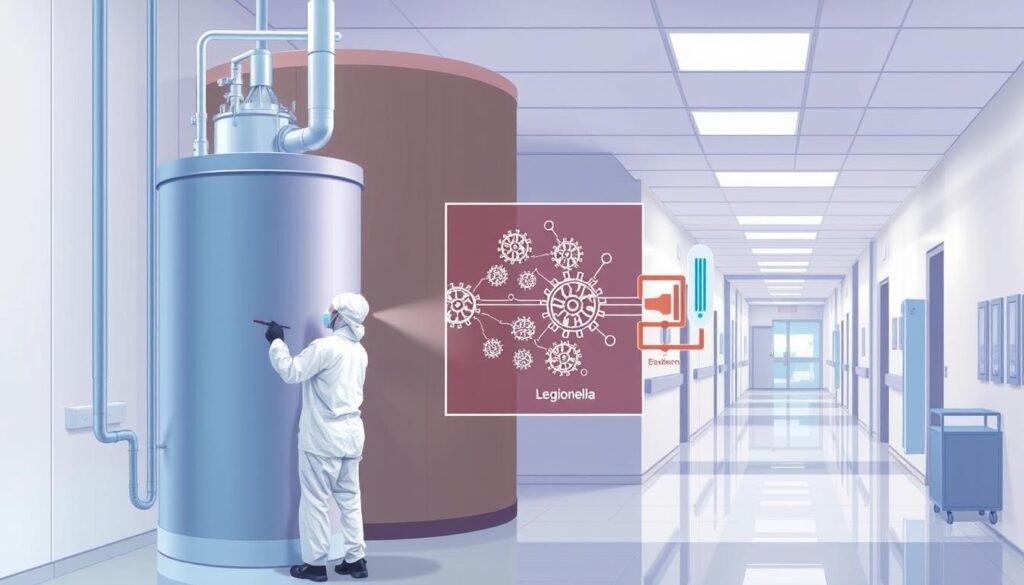
Regular maintenance and inspection of these systems are critical. For instance, ensuring that water is not stagnant and that temperatures are not conducive to bacterial growth can help prevent Legionella proliferation.
Essential Protection Strategies
To protect yourself, it’s essential to be aware of your surroundings, especially in public places. When using hot tubs or spas, ensure they are properly maintained. If you’re a building manager or owner, implement a water management program to reduce the risk of Legionella growth. This includes regular testing for Legionella and maintaining appropriate water temperatures.
By taking these steps, you can significantly reduce your risk of contracting Legionnaires’ disease. Stay informed, be vigilant, and take proactive measures to protect your health.
Legionnaires’ Disease in Public Spaces and Travel
Public spaces, including hotels and hospitals, can harbor Legionella bacteria, posing a risk to travelers. As people travel for business or leisure, it’s essential to understand the risks associated with Legionnaires’ disease in these environments.
Hotels and Resorts
Hotels and resorts are common places where travelers can be exposed to Legionella. The bacteria can contaminate water systems, cooling towers, and spas. Guests, especially those with weakened immune systems, should be cautious.
Hospitals and Healthcare Facilities
Hospitals and healthcare facilities are another high-risk area due to the presence of vulnerable patients. These facilities must adhere to strict water management protocols to minimize the risk of Legionnaires’ disease.
Cruise Ships and Travel Considerations
Cruise ships, with their complex water systems, are also potential breeding grounds for Legionella. Travelers on cruise ships should be aware of the risks and take necessary precautions. It’s also advisable to check if the ship has a robust water treatment and management system in place.
By being informed and taking precautions, travelers can reduce their risk of contracting Legionnaires’ disease in public spaces.
Legal and Regulatory Framework
The legal and regulatory framework plays a vital role in controlling Legionnaires’ disease outbreaks. This framework encompasses various regulations and guidelines aimed at preventing the growth and spread of Legionella bacteria in water systems.
Building codes and water management requirements are critical components of this framework. Building codes often specify design and maintenance standards for water systems, including cooling towers, hot tubs, and plumbing systems, to minimize the risk of Legionella proliferation.
Building Codes and Water Management Requirements
Effective water management is crucial in preventing Legionnaires’ disease. Regulations often mandate regular testing and maintenance of water systems, as well as the implementation of water management plans. These plans outline procedures for controlling Legionella growth, including temperature control, disinfection, and monitoring.
For instance, the ASHRAE (American Society of Heating, Refrigerating, and Air-Conditioning Engineers) guidelines provide a framework for water management that many jurisdictions adopt or adapt. Compliance with these guidelines is essential for building owners and managers to ensure they are meeting legal standards for Legionella control.
Reporting Requirements and Public Health Response
In addition to preventive measures, reporting requirements play a crucial role in managing Legionnaires’ disease outbreaks. Many jurisdictions require healthcare providers to report cases of Legionnaires’ disease to public health authorities. This enables a swift public health response, including investigation and implementation of control measures to prevent further cases.
The public health response may involve inspecting suspected sources of outbreaks, such as cooling towers or hot tubs, and enforcing corrective actions. Timely reporting and response are critical in controlling outbreaks and protecting public health.
By understanding and complying with the legal and regulatory framework, building owners, managers, and public health officials can work together to prevent Legionnaires’ disease outbreaks and ensure a safer environment for everyone.
Conclusion: Staying Vigilant Against Legionnaires’ Disease
As we’ve explored throughout this article, Legionnaires’ disease is a serious health concern that requires attention and proactive measures to prevent. Understanding the bacteria, recognizing the symptoms, and knowing who is at risk are crucial steps in protecting yourself and your loved ones.
To effectively prevent Legionnaires’ disease, it’s essential to stay vigilant. This includes being aware of potential sources of Legionella bacteria, such as water systems in buildings, cooling towers, and hot tubs. Regular maintenance and inspection of these systems can significantly reduce the risk of outbreaks.
By staying informed and taking proactive steps, individuals can significantly reduce their risk of contracting Legionnaires’ disease. This involves supporting public health efforts, adhering to building codes, and being mindful of water management practices in public spaces and travel destinations.
Staying vigilant against Legionnaires’ disease is a collective effort that requires awareness, education, and community involvement. By working together, we can minimize the risk of this disease and protect public health.